
#

Fabric Enclosure

Introduction

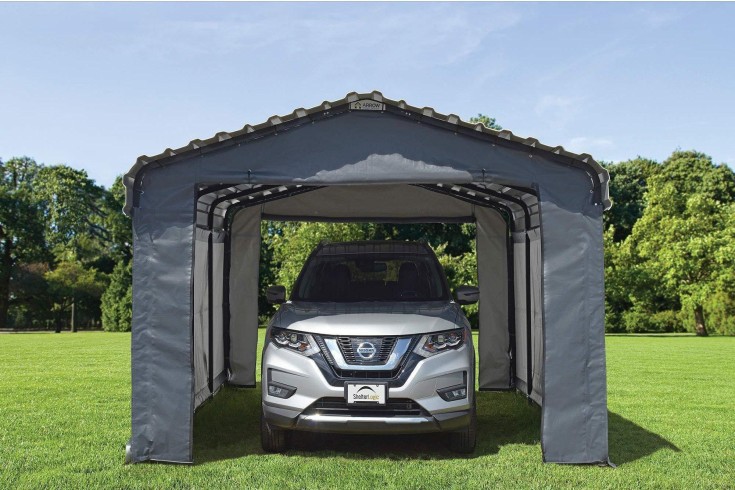
A Fabric Enclosure is a flexible, durable, and aesthetically pleasing structure designed to create a comfortable, sheltered space in any outdoor setting. Made with high-quality, weather-resistant fabrics and sturdy frames, it provides protection from the elements while maintaining an open, airy feel. Ideal for gardens, terraces, patios, events, and commercial spaces, fabric enclosures offer a cost-effective alternative to permanent structures. They are easy to install, customize, and relocate, making them perfect for both temporary and long-term use. With options for ventilation, climate control, and various designs, fabric enclosures blend functionality with modern style, enhancing both residential and commercial environments.
#

features of Fabric Enclosure

  • Flexible Design: Customizable to fit various outdoor spaces like gardens, patios, and terraces.
  • Weather-Resistant Materials: Durable, UV-resistant, waterproof fabrics for all-weather protection.
  • Sturdy Frame: Strong metal or aluminum frame for enhanced stability and longevity.
  • Easy Installation: Quick setup and dismantling without the need for permanent foundations.
  • Ventilation Options: Adjustable windows and mesh panels for optimal airflow.
  • Climate Control Ready: Compatible with heating or cooling systems for indoor comfort.
  • Cost-Effective: Affordable alternative to permanent structures with versatile applications.

BENEFITS OF fabric Enclosure

  • Versatile Use: Suitable for a variety of purposes like outdoor dining, relaxation areas, event spaces, and workstations.
  • Cost-Effective: More affordable than permanent structures, offering great value for money.
  • Easy to Install & Relocate: Quick setup and can be easily moved to different locations without hassle.
  • Weather-Resistant: Durable, UV-protected, and waterproof materials that withstand harsh weather conditions.
  • Customizable Design: Can be tailored to fit any space and style, with options for ventilation and climate control.
  • Space-Saving: Provides additional usable space without the need for permanent construction.
  • Eco-Friendly: Uses sustainable materials, reducing the environmental impact compared to traditional buildings.